Summer Training Program on "Advanced Analytical Techniques and Instrumentation"
Photo Gallery
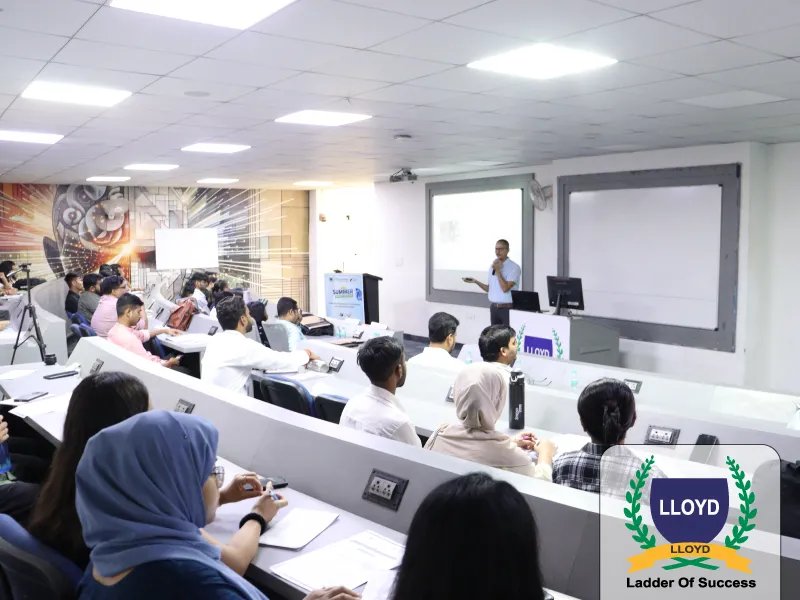
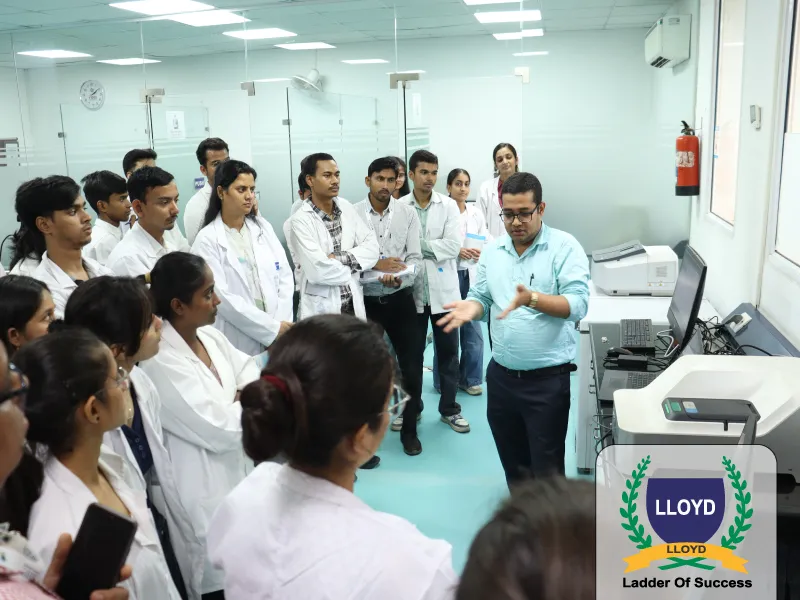
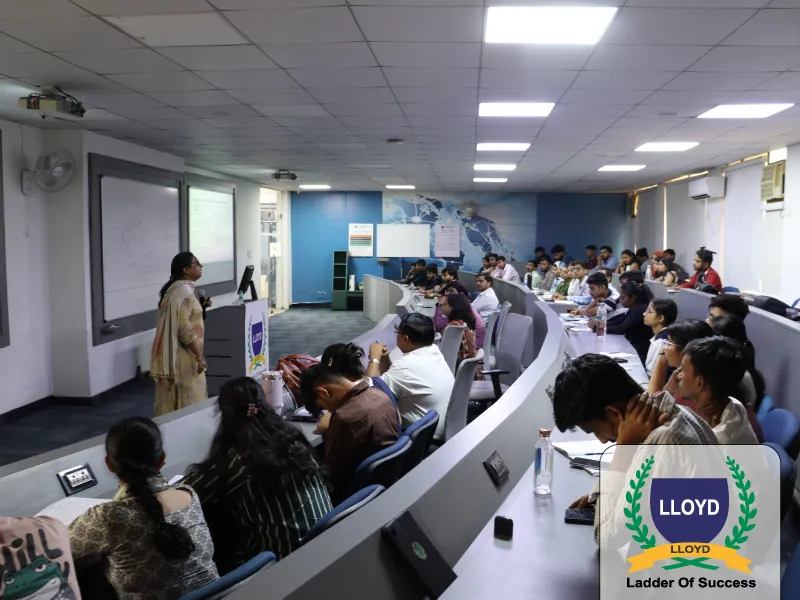
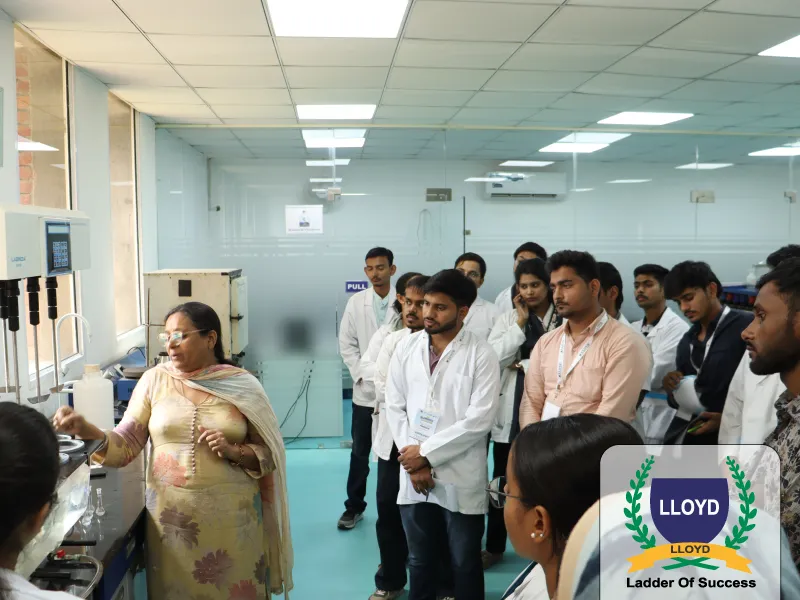
| Event Name: Summer Training Program on "Advanced Analytical Techniques and Instrumentation" | Event Date: 20th–24th July, 2026 |
| Duration: Five Days | Organized by: Department of Pharmacy, Lloyd Group of Institutions, Greater Noida |
| Participation: 84 Registrations from 25+ Colleges/Universities; ~65 Active Participants | Venue: Department of Pharmacy, Lloyd Group of Institutions, Greater Noida |
The Department of Pharmacy, Lloyd Group of Institutions, Greater Noida, successfully organized a Five-Day Summer Training Program on “Advanced Analytical Techniques and Instrumentation” from 20th to 24th July 2026. The program was designed to bridge the gap between theoretical knowledge and practical applications by providing participants with hands-on experience on advanced analytical instruments widely used in pharmaceutical industries, research laboratories, forensic sciences, biotechnology, and quality control laboratories.
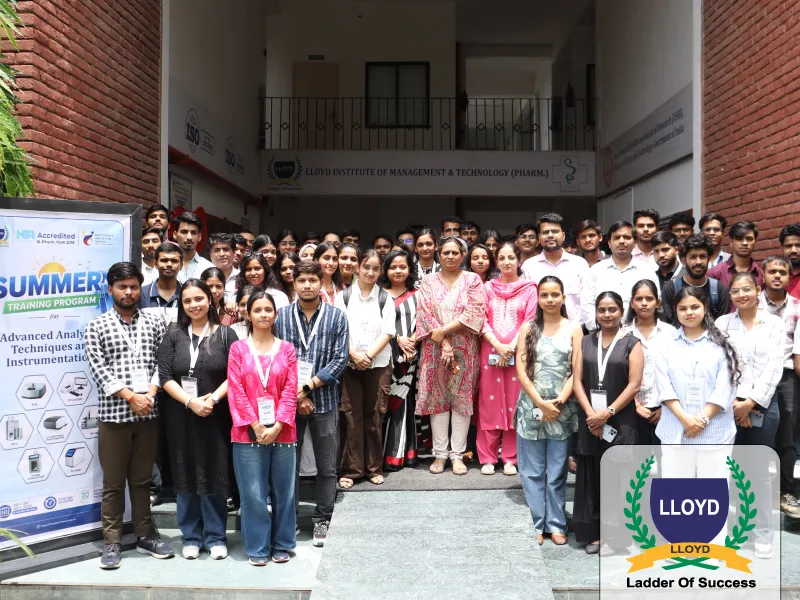
The training program received an overwhelming response with 84 registrations from participants representing more than 25 colleges and universities across five states of India. Out of these, approximately 65 participants reported and actively attended the five-day training program. The participants included undergraduate and postgraduate students, research scholars, faculty members, and industry professionals, providing an excellent platform for knowledge sharing, practical learning, and interdisciplinary interaction.
Day 1 (20th July 2026):
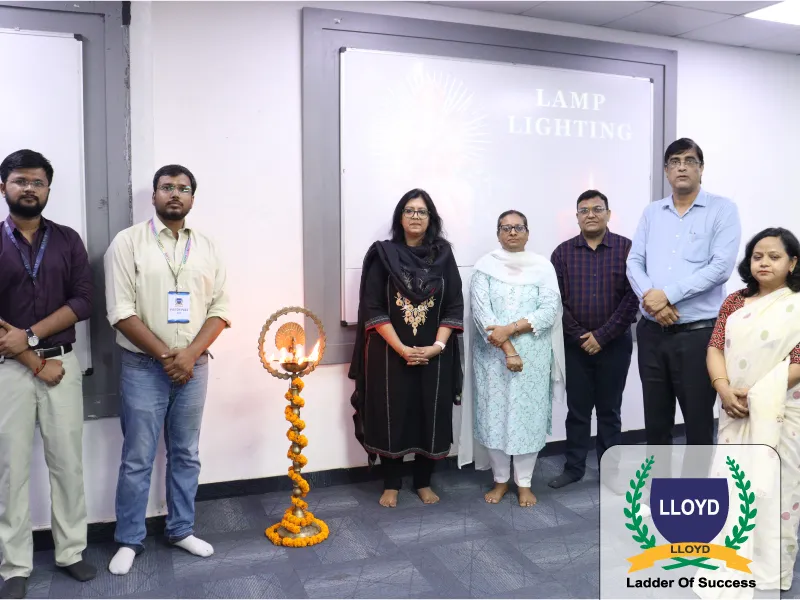
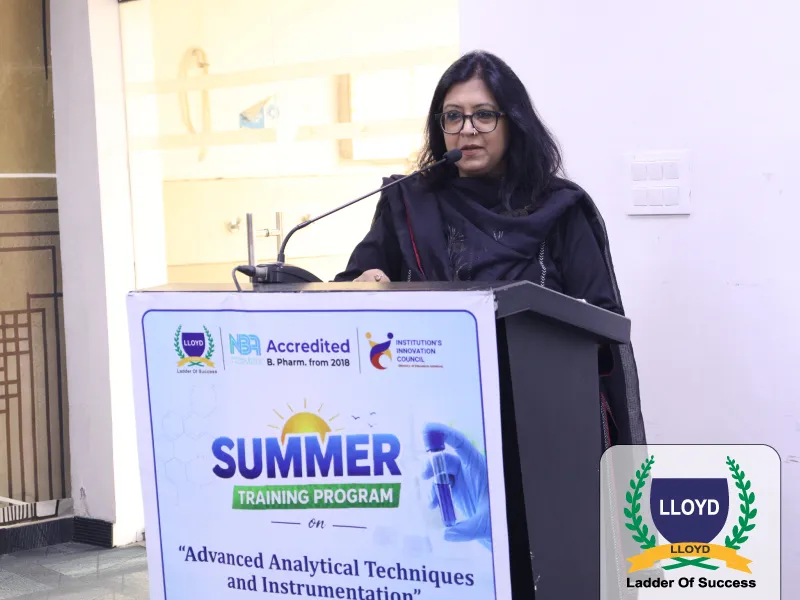
The program commenced with the registration of participants followed by the inaugural session. The event began with an introduction to the training program by Ms. Pranshi Jadoun, Soft Skills Trainer, Department of Pharmacy, followed by the welcome address delivered by Prof. Vandana Arora Sethi, Chief Strategy Officer & Head of Growth, Lloyd Group of Institutions.
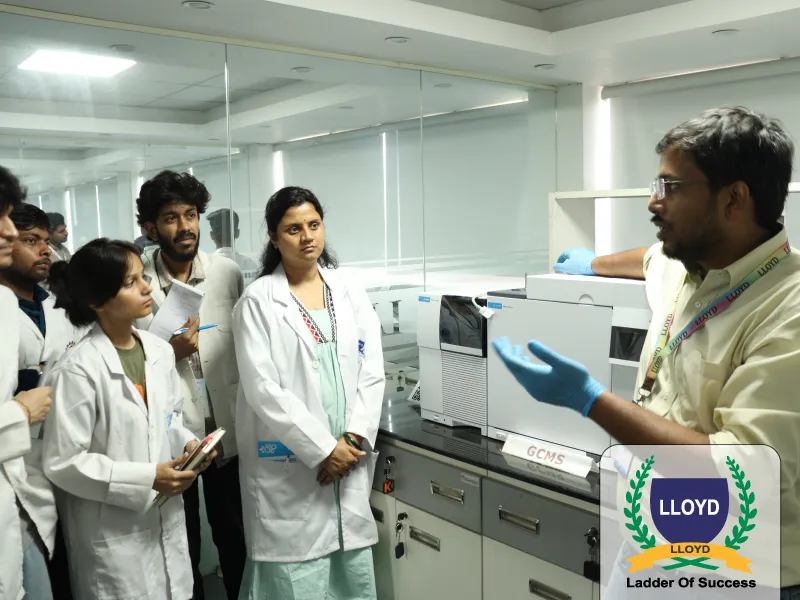
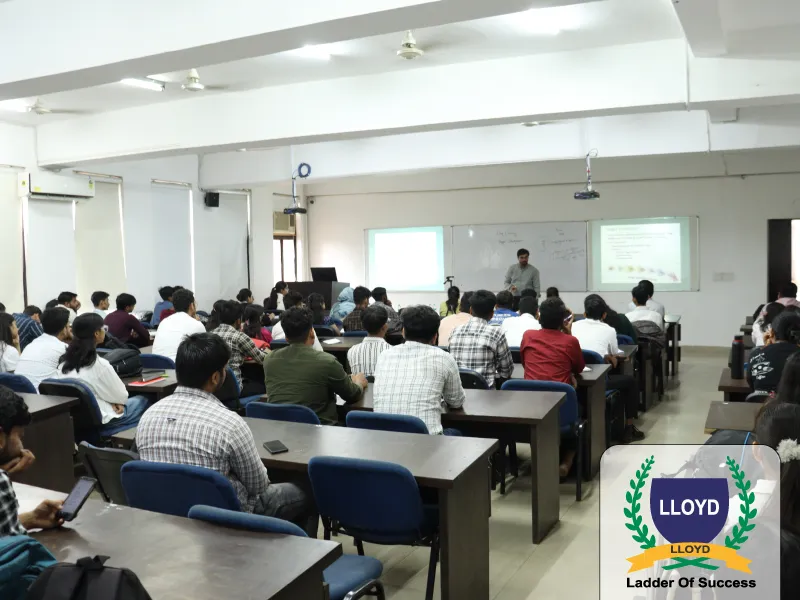
The first technical session on “Gas Chromatography–Mass Spectroscopy: Principle, Working and Applications” was delivered by Mr. Vikas Singh, Customer Service Engineer, Agilent Technologies. The second session on “Mastering RT-PCR: From Theory to Practice” was conducted by Mr. Dnyaneshwar Navanath Tanpure, Assistant Professor, Lloyd Institute of Forensic Science.
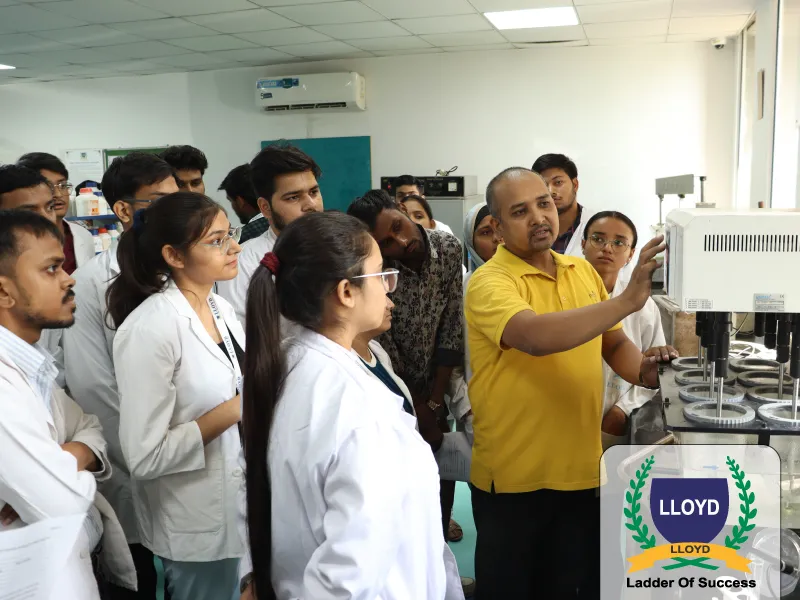
During the afternoon session, participants were divided into batches for hands-on training on Gas Chromatography–Mass Spectrometry (GC-MS) and Reverse Transcription Polymerase Chain Reaction (RT-PCR), where they gained practical exposure to instrument operation, sample preparation, working principles, and applications.
Day 2 (21st July 2026):
The second day focused on particle characterization and spectroscopic techniques. The morning session on “Malvern Zeta Sizer: A Brief Understanding of DLS and ELS Technology” was conducted by Mr. Amit Kumar, Application Specialist, Aimil Limited. This was followed by an informative lecture on “IR Spectroscopy: Basics and Applications” delivered by Dr. Praveen Kumar Arora, Professor, Department of Pharmacy.
The practical sessions included hands-on demonstrations on the Malvern Zeta Sizer, jointly conducted by Mr. Amit Kumar and Dr. Dipanjan Giri, followed by hands-on training on the FTIR Spectrophotometer (Alpha-II Bruker) conducted by Mr. Dnyaneshwar Navanath Tanpure. Participants gained practical understanding of particle size analysis, zeta potential measurement, molecular characterization, and infrared spectroscopy.
Day 3 (22nd July 2026):
The third day emphasized chromatographic separation techniques and ultrasonic processing. The first technical session on “HPLC System: How to use Waters HPLC System?” was delivered by Mr. Santosh Chaturvedi, Field Service Engineer, Waters India Pvt. Ltd., where participants learned about HPLC instrumentation, method development, and analytical applications.
The second session on Probe Sonicator: Instrumentation, Working and Applications was delivered by Dr. Ashish Kumar Parashar, Professor, Department of Pharmacy.
The afternoon practical sessions included hands-on training on the Waters HPLC System conducted by Mr. Santosh Chaturvedi, while another batch received practical training on the Probe Sonicator (Labman) under the guidance of Dr. Ashish Kumar Parashar. Participants developed practical skills in chromatographic analysis, sample preparation, and ultrasonic processing techniques.
Day 4 (23rd July 2026):
The fourth day was dedicated to pharmaceutical analytical techniques. The first session on “In-vitro Dissolution Testing: Fundamentals of Pharmaceutical Dissolution Testing” was delivered by Dr. Chitra Gupta, Professor & Dean PG, Department of Pharmacy. This was followed by a lecture on “Fundamentals and Applications of UV–Visible Spectroscopy” by Mr. Harshit Kanchav, Assistant Professor, Department of Pharmacy.
In the afternoon, participants attended hands-on practical sessions on the Dissolution Apparatus (Lab India DS8000), conducted by Dr. Chitra Gupta and Mr. Puneet Nirmal, where they learned the principles of dissolution testing, calibration, operational procedures, sampling techniques, and pharmaceutical applications. Simultaneously, another batch received hands-on training on the UV–Visible Spectrophotometer (Shimadzu UV-1800) under the guidance of Mr. Sumit Kumar.
These practical sessions significantly enhanced participants’ understanding of pharmaceutical quality control and analytical testing methodologies.
Day 5 (24th July 2026):
The final day featured an expert session on “In-Silico Studies: Molecular Docking and Pharmacophore Mapping”, along with a demonstration of Ligand Scout Software, delivered by Mr. Harshit Kanchav, Assistant Professor, Department of Pharmacy. The session introduced participants to modern computational approaches used in drug discovery and molecular modeling.
To assess participants’ understanding of the concepts covered throughout the training program, a Technical Quiz Competition was organized by Mr. Puneet Nirmal. The quiz generated enthusiastic participation and encouraged healthy academic competition among participants.
Participants also submitted their feedback regarding the overall organization, technical sessions, practical exposure, and resource persons. The feedback reflected a high level of satisfaction with the program and appreciation for the hands-on learning opportunities.
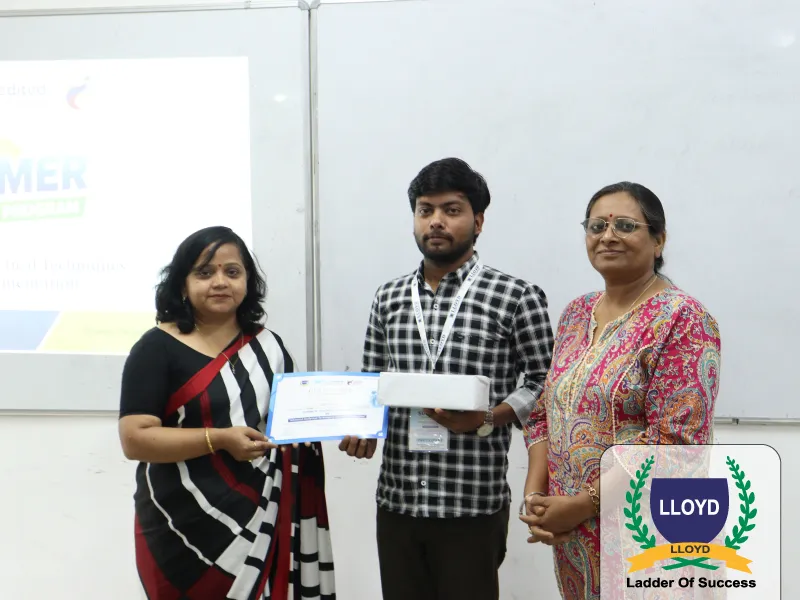
The program concluded with the Valedictory Session, during which Dr. Chitra Gupta & Dr. Anjana Sharma distributed certificates of participation to all eligible participants and prizes to the winners of the Technical Quiz Competition. This was followed by a Vote of Thanks delivered by Dr. Anjana Sharma, Professor, Department of Pharmacy, who expressed heartfelt gratitude to the distinguished resource persons, participants, faculty members, technical staff, and the organizing committee for their invaluable contributions toward the successful execution of the Summer Training Program. The event concluded on a cheerful note with a group photograph of all participants, resource persons, faculty members, and the organizing team, commemorating the successful completion of the five-day training program and creating lasting memories of the enriching learning experience.
Conclusion:
The Summer Training Program on “Advanced Analytical Techniques and Instrumentation” proved to be a highly successful academic initiative that effectively integrated theoretical learning with practical training. Through expert lectures, live demonstrations, and hands-on sessions on advanced analytical instruments including GC-MS, RT-PCR, Malvern Zeta Sizer, FTIR, HPLC, Probe Sonicator, Dissolution Apparatus, UV–Visible Spectrophotometer, and computational tools for molecular docking, participants gained valuable technical knowledge and practical skills relevant to modern pharmaceutical research and industry.
The active participation of approximately 65 participants from diverse academic institutions, coupled with the expertise of distinguished resource persons and the dedicated efforts of the organizing committee, contributed significantly to the success of the training program. The program successfully enhanced participants’ understanding of advanced analytical techniques through a combination of expert lectures and hands-on practical sessions. It strengthened their technical competencies, fostered scientific curiosity, and provided valuable exposure to sophisticated analytical instruments widely used in pharmaceutical research, quality control, and industry. Moreover, the Summer Training Program proved to be a rewarding and enriching learning experience for all the participants.