Digital Wellness Course - Session 3: Power of Attention - Enablers and Enhancers
Photo Gallery

| Event Name : Digital Wellness Course – Session 3: Power of Attention – Attention Enablers and Enhancers | Event Date : 23rd October, 2026 (Friday) |
| Time : 12:00 Noon – 1:30 PM | Venue : Seminar Hall, Lloyd Campus-1, Greater Noida |
| Resource Person : BK Varnika, Brahma Kumaris | Participants : 214 (Students and Faculty Members) |
| Organized by : Health & Wellness Club, Lloyd Institute of Management & Technology in collaboration with Brahma Kumaris | |
Introduction:
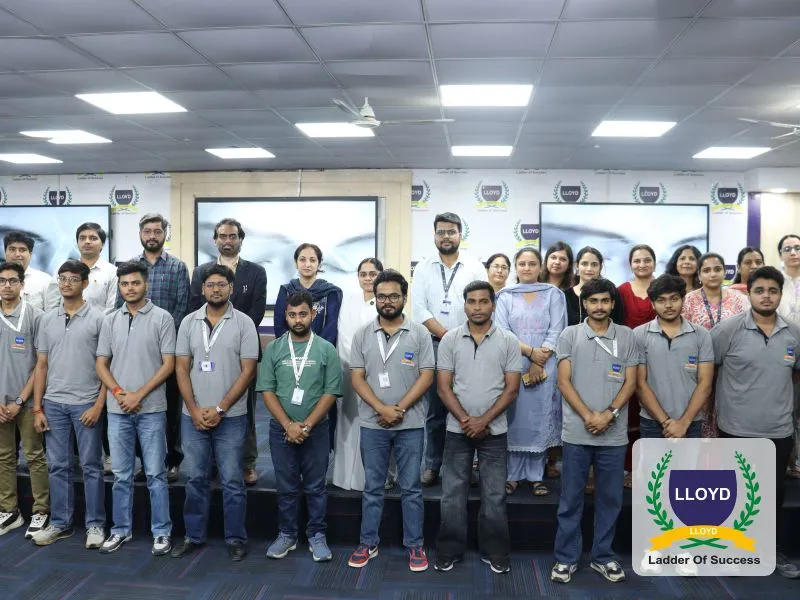
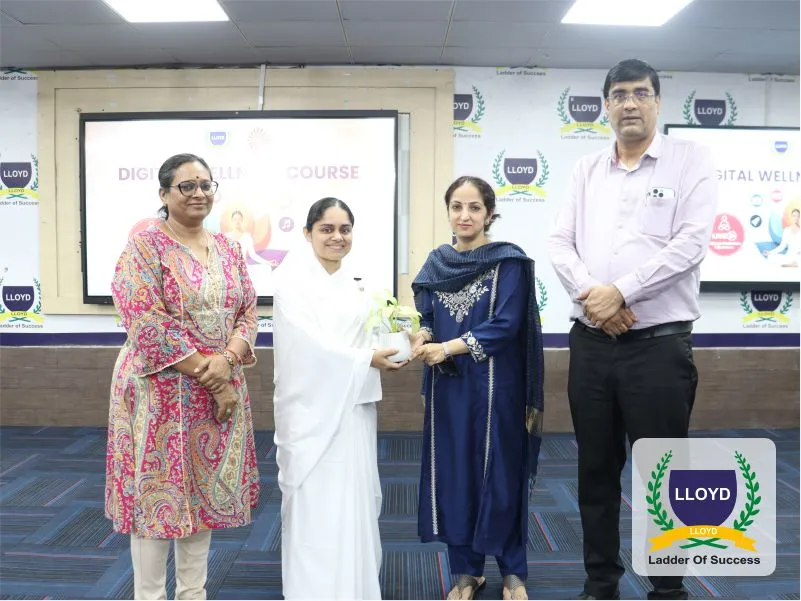
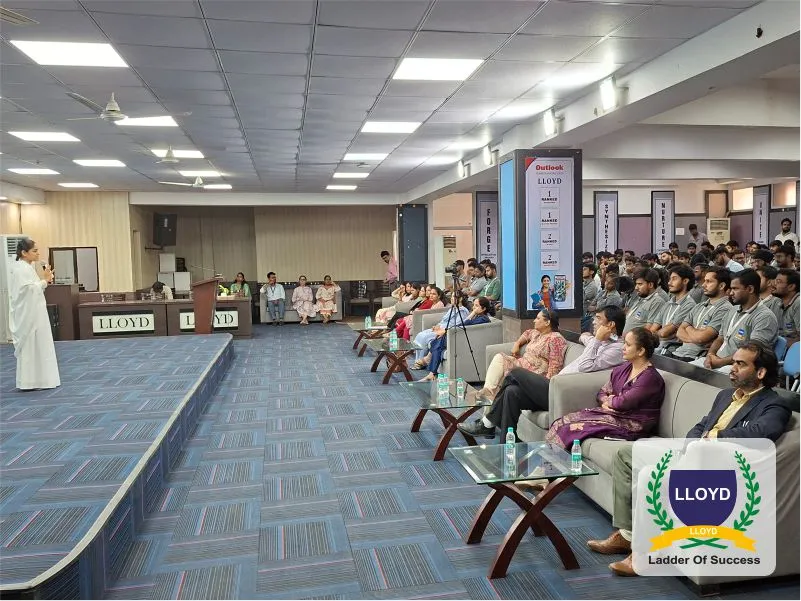
The Health & Wellness Club of Lloyd Institute of Management & Technology, in collaboration with Brahma Kumaris, successfully organized the third session of the Digital Wellness Course on Friday, 23 October 2026, from 12:00 noon to 1:30 PM at the Seminar Hall, Campus-1. The session, titled “Power of Attention – Attention Enablers and Enhancers,” was conducted by BK Varnika. It aimed to help students understand the importance of attention and explore practical ways to improve concentration in an increasingly digital world.
Curated by Brahma Kumaris, the Digital Wellness Course promotes responsible technology use and encourages a healthy balance between digital engagement and personal well-being. The programme focuses on understanding the psychological impact of digitalization, improving concentration and emotional intelligence, developing mental discipline, and adopting healthy digital habits. Rajyoga meditation is also introduced as a practice to support inner peace and overall well-being.
Proceedings of the Session
The session began with a brief relaxation exercise, followed by a recap of the previous session. BK Varnika explained the difference between attention, focus, and concentration and highlighted their importance in learning and everyday activities. Participants also discussed how digital platforms compete for users' attention and how distractions can affect productivity, relationships, and mental well-being. Common distractions, including boredom, poor planning, negative thinking, and discomfort, were discussed, emphasizing the importance of learning to manage them effectively.
Ten Practical Ways to Strengthen Attention
The main part of the session focused on ten practical ways to strengthen attention:
- Love and passion
- Physical exercise
- Nutritious food
- Adequate sleep
- Positive self-talk
- Relaxing music
- Visualization
- Curiosity
- Planning and organization
- Meditation
Through relatable examples and interactive discussions, students learned how these practices can support concentration, memory, confidence, and emotional balance.
The facilitator highlighted the role of regular exercise in supporting brain health and learning, while nutritious food and adequate sleep were discussed as essential for cognitive performance and emotional well-being. Students were encouraged to use positive self-talk to manage negative thoughts, explore visualization to build confidence, and develop curiosity by asking meaningful questions. The importance of setting clear goals, organizing tasks, and breaking larger responsibilities into manageable steps was also emphasized. Meditation was presented as a useful practice for developing self-awareness and mental discipline.
Throughout the session, BK Varnika engaged participants through questions about their exercise routines, sleeping habits, and experiences with sleep deprivation. These interactions helped students connect the concepts with their daily lives and reflect on the habits that influence their attention and academic performance. The session concluded by encouraging participants to identify and adopt attention-enhancing practices suited to their individual needs.
Coordination and Participation
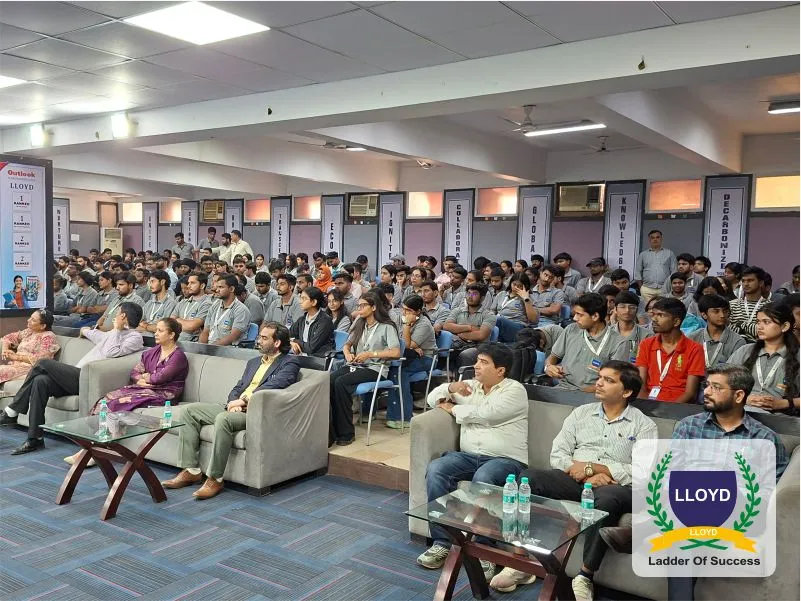
The session was coordinated by Mr. Puneet Nirmal, Dean – Student Welfare, and Dr. Niti Sharma, Assistant Professor, with the support of faculty members and student volunteers of the Health & Wellness Club. A total of 214 participants, including students and faculty members, attended the programme.
Conclusion
The session was a valuable step towards promoting digital wellness and mindful living on campus. It reinforced the message that attention is a skill that can be strengthened through consistent practice, healthy lifestyle choices, positive thinking, and effective planning. By incorporating these habits into their daily routines, students can manage digital distractions more effectively and enhance their academic performance and overall well-being.